
If you’re reading this you’re probably wondering what an early years apprenticeship really entails, and perhaps considering applying for one yourself. Well, here at Orange Moon Training, we have been visiting a number of nurseries that we work with across the country. To meet, interview and gain insight from past and current apprentices, hearing firsthand what their experience is like.
We have taken some of these stories and compiled them into a guide of what to expect when completing an early years apprenticeship in a nursery, from the point of view of our very own learners. Enjoy!
And after you’ve read this guide don’t forget you can watch the interviews in full on our YouTube Channel.
Beginning your journey

‘I’ve always wanted to work with children.’ – Georgia, Level 2 apprentice at Children 4 Most.
Something our apprentices all have in common is a love and passion for working with children. This career path is one that people choose first and foremost out of passion. And this was the catalyst for our apprentices to research what kind of courses and opportunities were available in their local area.
A lot of our learners had gotten in touch with one of our partner nurseries looking for work, and were offered an apprenticeship as a starting point in order to gain skills, experience and qualifications.
‘It was a good option for me because I didn’t have any qualifications from the UK.’ – Ricardo, apprentice at Diamond Day Nursery
Another point was the opportunity to gain a higher level of recognised qualifications. For example, Ricardo is an apprentice based in Derbyshire who is originally from Brazil. Although he has qualifications from his time working abroad he didn’t have any British qualifications when he first came to the UK looking for work in the early years. He was attracted to apprenticeships as it allowed him an entry-point to gain the qualifications needed for a successful career.
Balancing work and studies
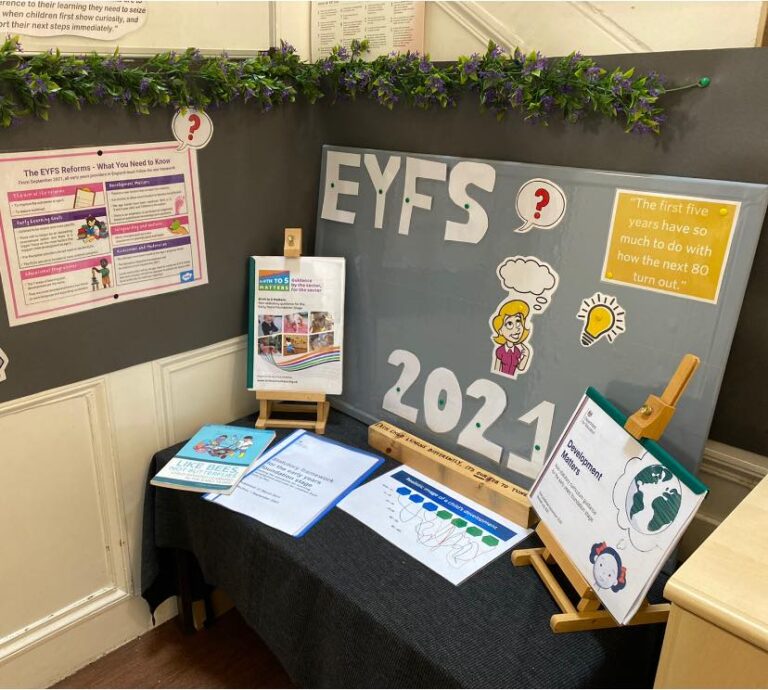
With apprenticeships you mainly learn on the job. However, you are allocated 20% of your hours as ‘off the job study time’. This is where you complete your coursework and work towards your qualification. So, how is it balancing the two?
‘I have one day off every week and I use that time to do all my tasks and assignments.’ – Ricardo
‘After work I’ll go home and try and do as much as I can then, or on the weekends.’ – Georgia
Your employer will ensure that you have the time and space to complete your studies outside of working in the nursery. You will also have to dedicate some of your own time to extra study and revision – especially as your end point assessment approaches.
What a typical work day looks like
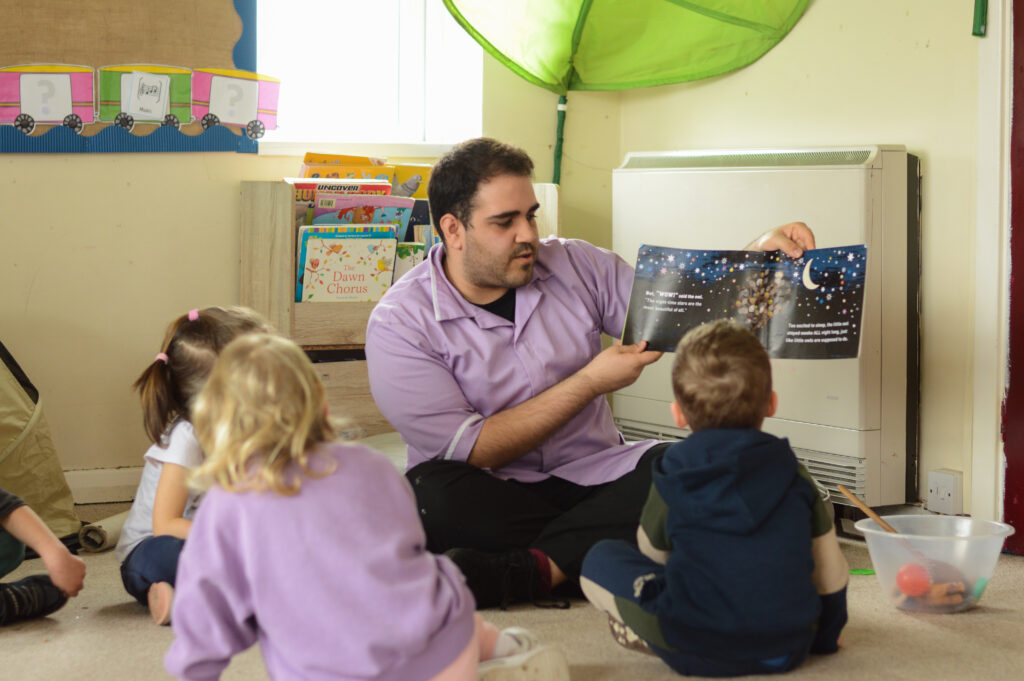
‘You need to know about the different age groups, so I had the chance to work with all ages and just get know all of the children.’ – Madison, apprenticeship graduate, now full time staff at Daisy Chain nursery.
‘Every single day is the opportunity to learn. Children feel different things and do different activities.’ – Karolina, Level 3 at Daisy Chain nursery.
The reality of working with children is that no two days are the same. Each child is different and you are constantly adapting to their needs and development.
Other aspects that your job role will include are carrying out nursery routines, helping with meal times and leading activities.
Who supports you with your studies

This is where Orange Moon Training comes in. As we are the training provider our qualified, experienced and friendly tutors will guide you through all you need to know. From enrolment to your final end point assessment.
Some of our learners preferred to study more independently, and would contact their tutor whenever they needed advice or clarity on something, such as Karolina:
‘Usually it’s independent learning so I ask [my tutor] questions if I need it. She’s really good, really helpful.’
Ricardo on the other hand, had more support:
‘My tutor is Natasha, she’s very flexible, very supportive. There were a few times I struggled to do my tasks and she was always there for me, giving me professional and emotional support when I needed it.’
Remember, your tutor is also there to support you with any issues you may have outside of work and studies. They want to help you grow as a person, not just as an early years educator.
Why you will love it

As stated in the beginning of this blog, working with children is for those who are truly passionate and enjoy teaching and caring for young children as they grow, learn and develop. Every single one of our learners that we spoke to said their favourite part of the apprenticeship was spending time with the children and watching them grow.
