
When Apprenticeships Actually Work: The Apprentice Journey
National Apprenticeship Week is a chance to recognise the learners, mentors, employers, and tutors who make apprenticeships work. Alongside that, we’re using the week to look more closely at when apprenticeships work in practice, through the voices of people living it day to day.
Because it isn’t automatic. It takes showing up ready to learn, taking responsibility when it gets hard, and sticking with the process even when you can’t yet see where it’s leading.
The Support That Keeps You Moving: Nasta's Story
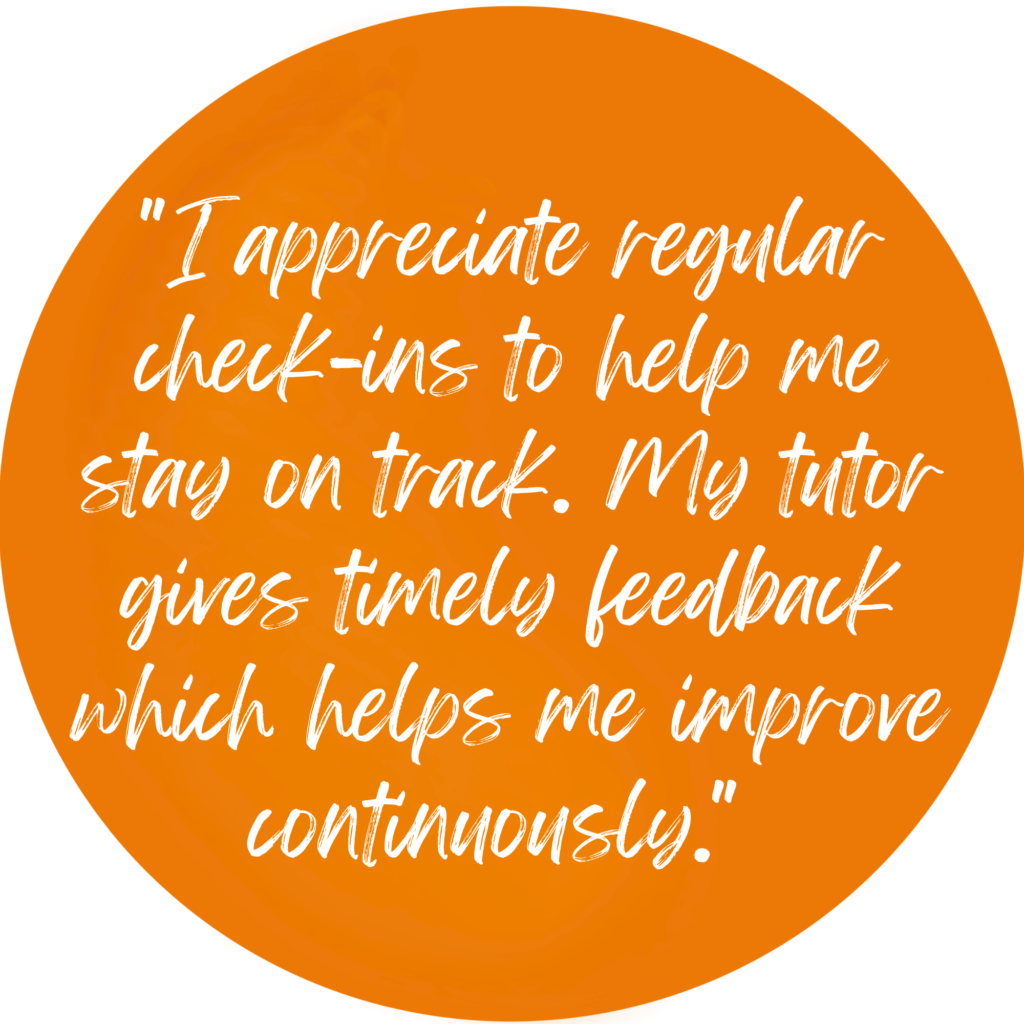
Nasta, completing her Level 2 Early Years apprenticeship, knows exactly what makes the difference:
“I appreciate regular check-ins to help me stay on track. My tutor gives timely feedback which helps me improve continuously.”
She’s not asking for perfection. She’s asking for consistency.
Because here’s the reality of being a childcare apprentice: you’re learning in the gaps. Between nappy changes and observations. After the children go home. Sometimes at 10pm when the house is finally quiet.
When your tutor shows up with regular check-ins and timely feedback, you can keep moving forward. When support disappears for weeks, you start wondering if you’re supposed to figure this out alone.
That kind of consistency can be the difference between keeping going and quietly falling away.
When Experience Meets Theory: Megan's Breakthrough
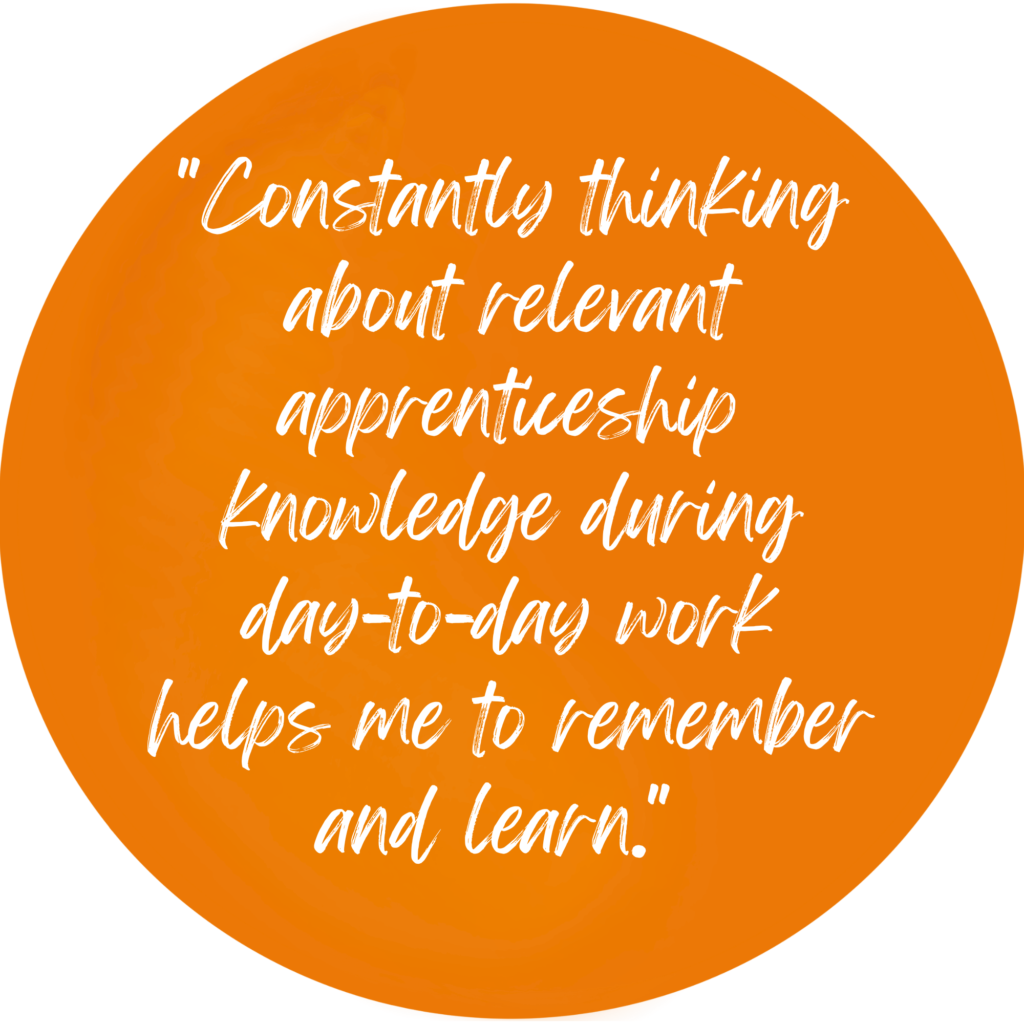
Megan was already good at her job before starting her Level 3 Early Years Educator apprenticeship. She knew how to support children. She understood development instinctively.
But she couldn’t always explain why what she did worked.
“Constantly thinking about relevant apprenticeship knowledge during day-to-day work helps me to remember and learn.”
For experienced practitioners, moments like that can change how they see their work. Theory gives you language for what you already know. Frameworks help you see patterns you’ve been responding to without naming them.
For Megan, the Level 3 apprenticeship was about deepening practice, making the invisible visible, and turning instinct into expertise she could articulate and teach.
For many experienced practitioners, that combination can change how they see themselves in the role.
From "I Never Believed" to Leader: Becka and Michaela
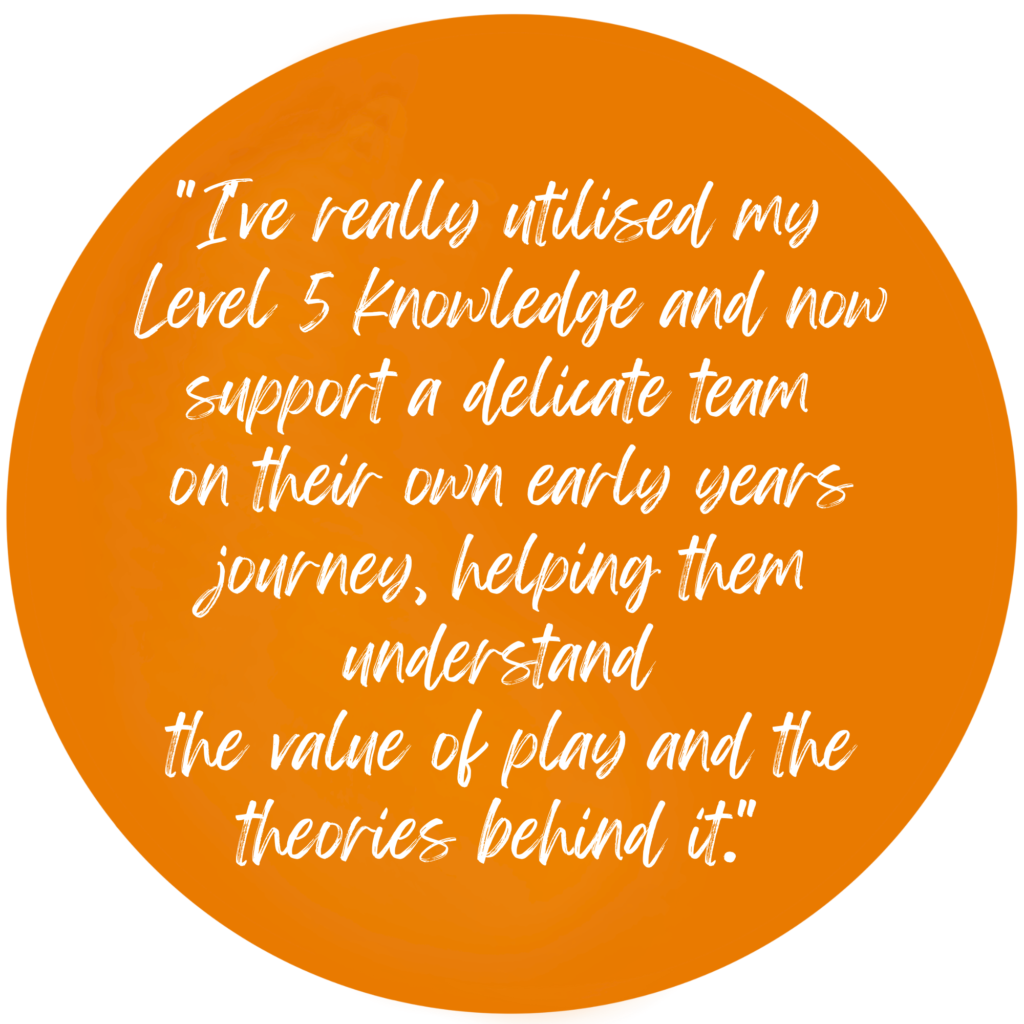
Becka started as an Early Years apprentice. Now she’s a centre director managing 22 staff.
“I’ve really utilised my Level 5 knowledge and now support a delicate team on their own early years journey, helping them understand the value of play and the theories behind it.”
From learner to leader. From being taught about play theories to teaching others. Over time, that shift changes how people see themselves in their role.
Then there’s Michaela, completing her PGTA (Postgraduate Teaching Apprenticeship), who captured what this journey feels like:
“I never believed I could be a teacher, but having so many professionals believing in you is transformational.”
A lot of apprentices start out unsure whether this is really for them. Having someone believe in you can change what feels possible.
What Your Apprenticeship Journey Requires
Let’s be honest: being an apprentice in childcare, education, or residential care is hard work.
It requires showing up after a full day with children to complete assignments. Taking responsibility for asking questions and using feedback. Being vulnerable enough to admit what you don’t understand. Trusting the process when you’re three months into a 15 -month programme and feeling overwhelmed.
But when you show up and do your part?
Confidence grows slowly. Practice becomes easier to explain. New opportunities feel less out of reach.
You become someone like Becka, leading teams.
Like Michaela, achieving what you never thought possible.
Like Megan, transforming practice through understanding.
Like Nasta, staying on track through consistent support.
Although these stories sit in early years, the patterns won’t feel unfamiliar elsewhere. We see the same things across education and children and young people’s residential care. Apprenticeships work best when learning time is protected, support is consistent, and people are treated as learners, not just extra capacity. The settings differ, but the conditions that help apprentices grow are remarkably similar.
If you’re thinking about an apprenticeship or using apprenticeships to develop your team and want to talk things through, we’re always happy to have a straightforward conversation.
